Comparing Flowood Subdivisions: Lots, Amenities, And Access
July 9, 2026
July 9, 2026
Trying to choose the right Flowood subdivision? It can feel simple at first, until you start comparing lot sizes, HOA amenities, street access, and how close you want to be to daily errands. If you want a clearer way to sort through your options, this guide will help you understand how Flowood neighborhoods tend to differ and what those differences may mean for your day-to-day life. Let’s dive in.
Flowood sits east of Jackson with access to I-55, I-20, and Jackson-Medgar Wiley Evers International Airport. The city also identifies Lakeland Drive as its hub for shopping, restaurants, medical centers, and businesses. That matters because many buyers compare neighborhoods based not only on the home itself, but also on how easily they can reach work, errands, and recreation.
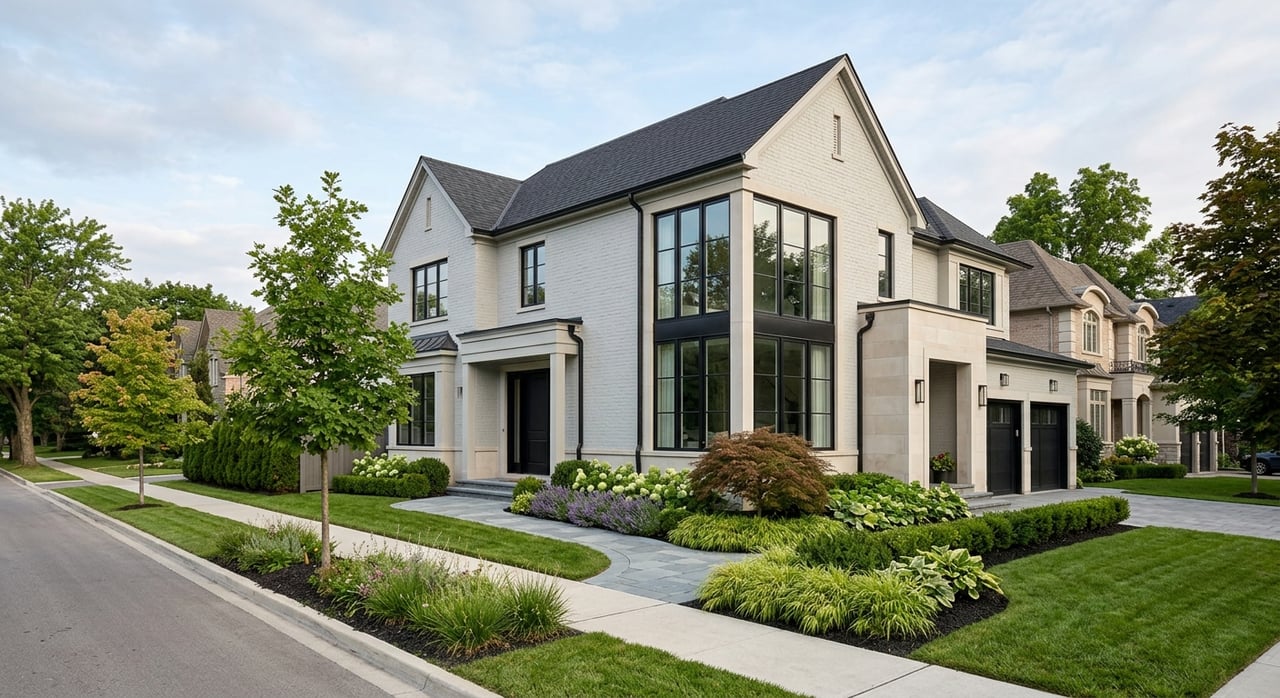
At a high level, Flowood subdivisions often fall into three practical categories. You will usually be comparing smaller-lot neighborhoods, master-planned or walkable communities, and larger-lot estate-style neighborhoods. Each one tends to offer a different balance of maintenance, privacy, amenities, and access.
If you want less yard work, smaller-lot neighborhoods may be the best fit. Flowood’s PH-1 Patio Home District is designed for detached homes on smaller lots, with a 6,000-square-foot minimum lot area and 60-foot minimum lot width. This zoning also requires a two-car enclosed garage and 10% common open space.
In practical terms, that setup can appeal to buyers who want a detached home without taking on a large yard. These communities may still include a neighborhood feel through shared spaces, while reducing the amount of exterior upkeep you handle on your own.
Some neighborhoods fall into a more standard single-family pattern. In Flowood’s R-1 Single Family Residential zoning, the minimum lot area is 9,600 square feet with an 80-foot minimum lot width. That often creates a middle ground between lower-maintenance living and the extra space of an estate-style setting.
For many buyers, this type of lot feels familiar and flexible. You may have enough yard for outdoor use without stepping up to the larger maintenance demands that can come with a full acre.
If space and privacy are at the top of your list, larger-lot neighborhoods deserve a close look. Flowood’s R-E Estate Residential zoning requires a 1-acre minimum lot area and 120-foot minimum lot width. That zoning helps explain why some neighborhoods feel more spacious and spread out.
Les Maisons is a strong example of this pattern in Flowood. The Flowood Chamber describes it as a 253+/- acre development off Highway 25 and Luckney Road with a variety of lot sizes, ample green space, preserved mature trees, and French and European-style architecture. A 2025 Parade of Homes listing there also featured a 3,045-square-foot home on a 1-acre lot.
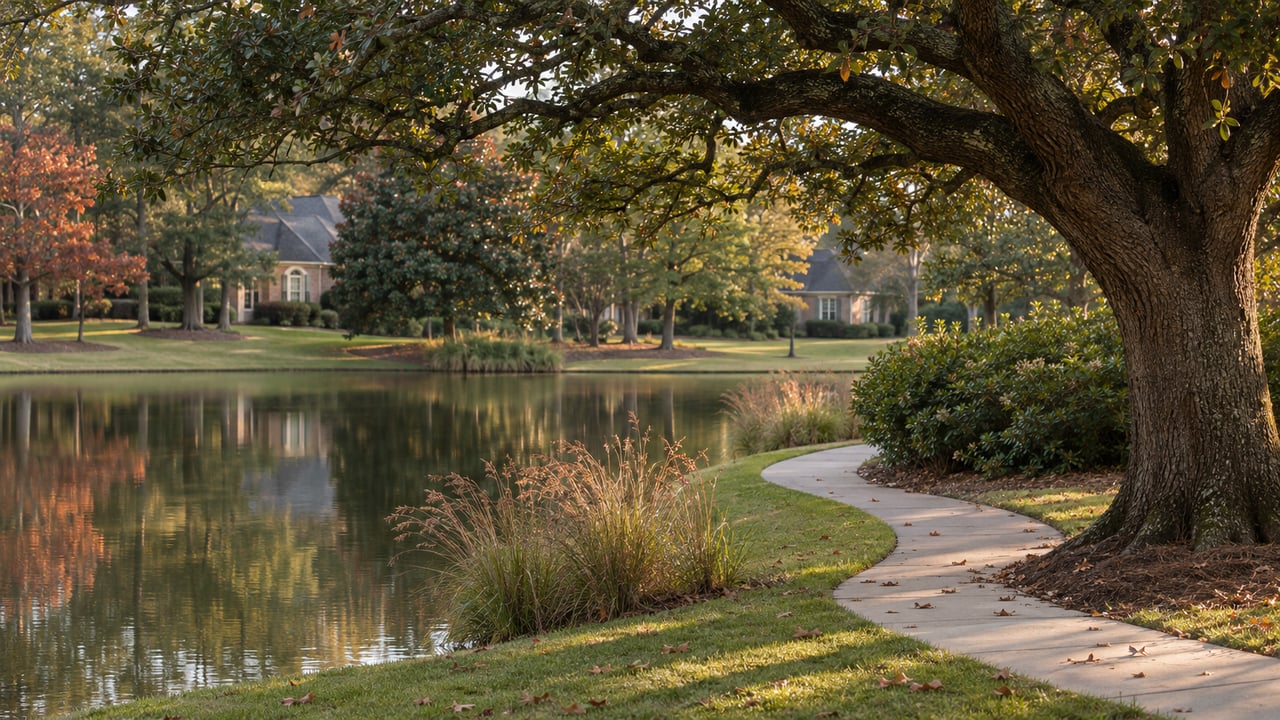
Amenity packages vary from one subdivision to another, but Flowood examples show some clear patterns. Common private features may include pools, clubhouses, ponds or lakes, gated entry, and sometimes trails. These features can add convenience and a built-in neighborhood gathering space.
Kensington, for example, describes itself as a gated community with a clubhouse, swimming pool, and stocked pond. Laurelwood HOA documents also reference pool and clubhouse use, showing that established neighborhoods may offer multiple shared amenities as well.
Patio-home communities can also support shared amenities by design. Flowood’s PH-1 rules allow common open space that may include pedestrian or bicycle trails, tennis courts, recreation buildings, and swimming pools. That is useful if you want a smaller lot but still care about having recreation close to home.
This also helps explain why two small-lot neighborhoods may feel very different. One may focus mainly on lower maintenance, while another may pair smaller yards with a fuller amenity package.
You do not have to rely only on subdivision amenities in Flowood. The city lists Winner’s Circle Park, the Nature Park, Liberty Park, and Crystal Lake among its public recreation options. Those facilities include a half-mile walking track, a one-mile paved trail around a lake and through woods, two handicap fishing piers, a renovated boat launch, and 18 regulation pickleball courts.
For some buyers, that changes the equation. If city parks already meet most of your recreation needs, you may decide you do not need to prioritize a neighborhood pool or clubhouse.
In Flowood, access often starts with road location. Lakeland Drive is the city’s main hub for shopping, restaurants, medical centers, and business activity. Other important corridors mentioned in public descriptions include Highway 25, Luckney Road, Old Fannin Road, Flowood Drive, and the Dogwood and downtown area.
That means your daily routine may look very different depending on where you buy. Even if two homes have similar square footage or price points, the easier route to errands or commuting may make one neighborhood feel like a better fit.
Access is not only about major roads. Flowood’s subdivision regulations require each lot to front on a public dedicated or approved street. The regulations also state that longer blocks may require pedestrian crosswalks to connect residents with schools, playgrounds, shopping, and other community facilities.
That matters because neighborhood layout affects how a place functions. A subdivision with better internal connectivity may feel easier to navigate on foot, while another may be more oriented around privacy and limited through-traffic.
These communities often appeal to buyers who want a detached home with less exterior maintenance. You may find smaller lots, shared open space, and amenities such as a pool, clubhouse, or pond. In many cases, the tradeoff is HOA oversight and shared maintenance responsibilities.
This option can work well if you value convenience and a more managed neighborhood environment. It may be especially appealing if you would rather spend less time on yard care and more time enjoying nearby amenities.
Waterpointe is the clearest current example of a large master-planned project in Flowood. The city has described it as a 230-acre development with 560 residences and 800,000 square feet of commercial space, along with future amenities such as a pool, walking paths, bike trails, parks, a town square, and a waterfront event area. Waterpointe also describes itself as a roughly 200-acre Traditional Neighborhood Development in downtown Flowood built around walkable living.
While public descriptions vary on acreage, they align on the bigger idea. Waterpointe is designed as a mixed-use, walkable community rather than a conventional stand-alone subdivision. Flowood’s Planned Unit Development rules help explain that difference, since PUDs are meant for integrated site-planned development on at least 10 acres.
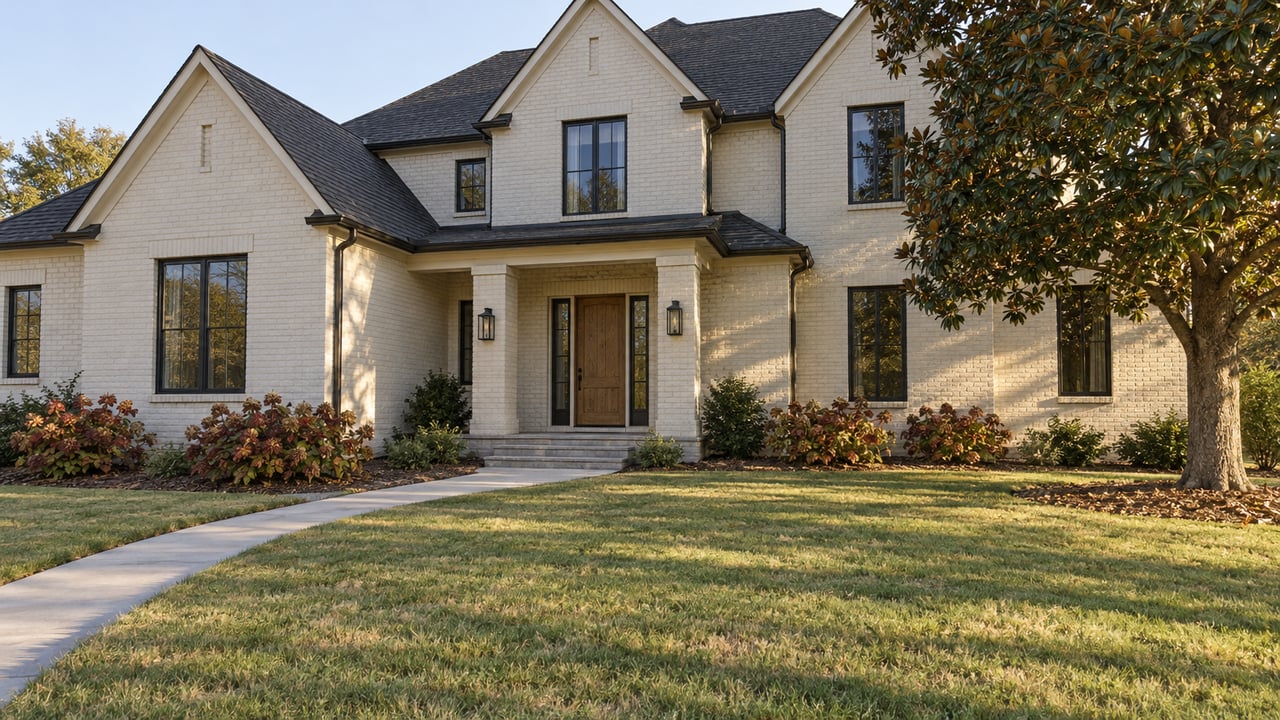
Estate-style neighborhoods usually attract buyers who want more yard space, more separation between homes, and a setting that feels less compact. In Flowood, that pattern is supported by the city’s R-E zoning standards. These neighborhoods may also appeal to buyers who like mature trees, open space, and a less condensed street layout.
The tradeoff may be a less central location compared with neighborhoods closer to Lakeland Drive or the downtown Flowood area. For some buyers, that extra room is worth it. For others, convenience to shopping and daily errands may matter more.
When you tour Flowood subdivisions, it helps to narrow your priorities before you fall in love with a floor plan. The right neighborhood is often the one that best supports your routine, not just the one with the most features on paper.
Here are a few smart questions to ask yourself:
If you answer those questions honestly, your shortlist usually gets easier to build. Instead of comparing every subdivision the same way, you can focus on the neighborhoods that fit your lifestyle best.
There is no single “best” subdivision in Flowood for every buyer. A patio-home community may be a great match if you want lower maintenance and shared amenities. A master-planned development may stand out if walkability and future mixed-use features matter to you. An estate neighborhood may make the most sense if you want more land, mature trees, and extra privacy.
The key is knowing what tradeoffs you are willing to make. When you compare lots, amenities, and access side by side, it becomes much easier to identify which Flowood neighborhoods deserve a closer look.
If you want help narrowing down Flowood neighborhoods based on your budget, lot preferences, and day-to-day needs, call or text Renee Grimes for a local market consultation.
Discover why buyers and sellers trust Renee Grimes for expert real estate guidance. With over 20 years of experience, she ensures a seamless, personalized experience.