
Real Estate Terms Rankin County Buyers Should Know
December 18, 2025
December 18, 2025
Buying a home in Florence or anywhere in Rankin County should feel exciting, not confusing. Still, the contract language and acronyms can pile up fast. If you understand a few key terms and how they work in local contracts, you can make clearer decisions and protect your money. This guide breaks down the essentials in plain English and shows how they play out in Rankin County practice. Let’s dive in.
Most local agents use standardized Mississippi Association of REALTORS forms that spell out price, deadlines, contingencies, and who holds your deposit. These forms set clear timelines for inspections, loan approval, and closing. Your settlement is coordinated by a title company or closing attorney named in the contract.
If you are getting a mortgage, expect a typical closing window of about 30 to 45 days after acceptance, depending on lender and title timelines. Cash purchases can close faster. Federal rules require your lender to send a Closing Disclosure at least 3 business days before you sign, so your contract should allow time for that review.
This is the signed contract that sets the rules for the sale, including price, contingencies, deposits, and closing date. It becomes binding when both parties sign.
In Rankin County, forms commonly list timelines for earnest money delivery, inspection periods, financing steps, and the closing date. The agreement names the settlement agent who will handle escrow and closing.
Earnest money is your good‑faith deposit held in escrow and credited to you at closing. It shows the seller you are serious.
Locally, the contract states the amount, who will hold it, and when you must deliver it, often within 1 to 5 business days after acceptance. Follow the delivery instructions closely to avoid default.
A contingency protects you if certain conditions are not met, such as inspections, financing, appraisal, or title. If a contingency is not satisfied, you may be able to cancel without penalty if you follow the contract.
In local practice, each contingency has a deadline. You must act or give notice by those dates, or you could lose rights under the contract.
This is the time you have to order inspections and decide whether to proceed, request repairs, or terminate. Plan to book inspectors right away.
In Rankin County, buyers often negotiate 5 to 15 days. You must submit repair requests or a termination notice within that period. The exact wording and steps depend on the form and the negotiation.
In some Southern markets, an option period gives you the right to cancel for any reason, sometimes with a fee paid to the seller. This concept is not universal in Mississippi.
Locally, some contracts reference an option‑style right by addendum. Many MAR forms provide similar protection through an inspection or due‑diligence contingency without a separate fee. Check your specific contract language.
This clause protects you if you cannot obtain the specified loan. It typically lists loan type and a deadline to reach loan approval.
Locally, you may need to provide lender updates and remove the contingency by a set date. Missing the deadline can put you in default, so communicate early with your lender.
If the appraisal comes in below the contract price, this contingency gives you options. You can renegotiate, pay the difference, or terminate, depending on your contract.
In Rankin County, many contracts require you to notify the seller within a certain timeframe if you will not proceed after a low appraisal. Watch this deadline closely.
A title search reviews public records to confirm ownership and find liens, easements, or defects. A title commitment lists what must be cleared before closing.
Locally, the settlement agent orders this search early in the process. If issues are found, the commitment outlines what must be resolved before you can close.
An owner’s policy protects your ownership, while a lender’s policy protects the lender’s lien. Lenders require a lender’s policy if you finance.
Who pays for the owner’s policy varies by the contract and local custom. You should be offered an owner’s policy at closing and can review coverage with the settlement agent.
Closing is when you sign final papers, funds move, and the deed transfers. It can be in person or remote, depending on the settlement agent.
In the Jackson metro, closings are usually handled by a title company or closing attorney. The contract sets the location and date, and your lender must deliver your Closing Disclosure at least 3 business days before you sign.
Closing costs include loan fees, title fees, recording fees, and prepaid items like taxes and insurance. Some costs are negotiable.
In local contracts, certain costs are assigned to buyer or seller, and this may be negotiated with your offer. You will see estimates on your Loan Estimate early on and final numbers on your Closing Disclosure before closing.
The escrow agent is a neutral party who holds earnest money and handles funds and documents until closing. This is often the title company.
Locally, your contract names the escrow holder and the instructions for your deposit. Ask for wiring instructions directly from the verified agent to avoid fraud.
The deed transfers ownership from seller to buyer. It is typically a Warranty Deed in residential sales.
In Rankin County, the deed and your mortgage are recorded with the county after closing. Recording may be same day or shortly after, and the contract or settlement statement will show who pays recording fees.
Prorations split expenses like property taxes or HOA dues based on the closing date. Each party pays their share for the days they own the home.
Local tax cycles and proration formulas can vary. Your settlement agent calculates these and shows them as credits and debits on your closing statement.
A survey maps property boundaries, improvements, and easements. It helps confirm what you are buying.
In Rankin County, lenders or title companies may require a survey or a survey affidavit. The contract may state whether a seller must provide an existing survey, if available.
Liens, unpaid taxes, or judgments can cloud title and must be cleared before closing. The title search will reveal these items.
Your title commitment lists the requirements to clear title. Unresolved issues can delay closing until they are cured.
If the home is in an HOA, you should receive documents that outline rules, dues, and financials. These help you understand obligations.
Local contracts often give you a period to review HOA documents and the right to terminate if you do not approve, within the timeframe stated. Lenders may require proof of HOA status.
If a property lies in a FEMA flood zone that requires coverage, lenders will require flood insurance. This affects monthly costs.
In local practice, the lender orders a flood determination. Build time into your inspection period to confirm insurance needs and premiums.
PMI is common with conventional loans if you put less than 20 percent down. It is part of your monthly payment.
You can usually remove PMI later when your equity reaches the required level. Your loan documents and disclosures will outline the terms.
A contingent offer means your purchase depends on selling your current home. The contract sets timing and proof requirements.
In competitive situations, contingent offers can be less attractive. Your agent can help position your offer clearly and competitively.
You should not have to navigate these details alone. With more than 20 years in the Jackson metro, Renee coordinates the moving parts so you can focus on the home. That includes lining up trusted vendors for inspections and repairs, tracking every deadline, and staying in sync with your lender and the settlement agent.
If you are relocating, Renee offers a hands‑on, concierge approach to help you manage the process from a distance. You will get clear guidance on documents, reminders for deposits and disclosures, and practical answers grounded in Rankin County experience.
Ready to move forward with confidence in Florence or anywhere in Rankin County? Connect with Renee Grimes for steady, local guidance from first tour to closing.

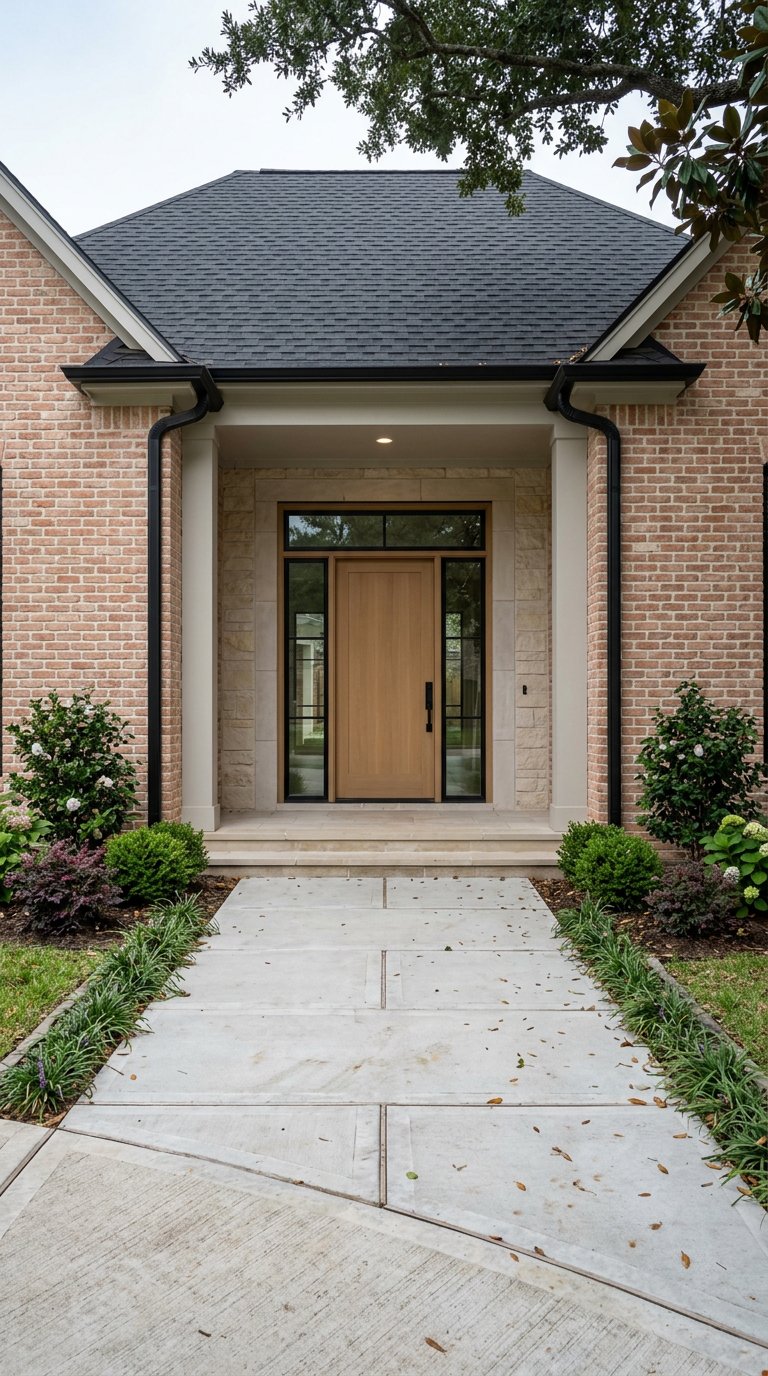
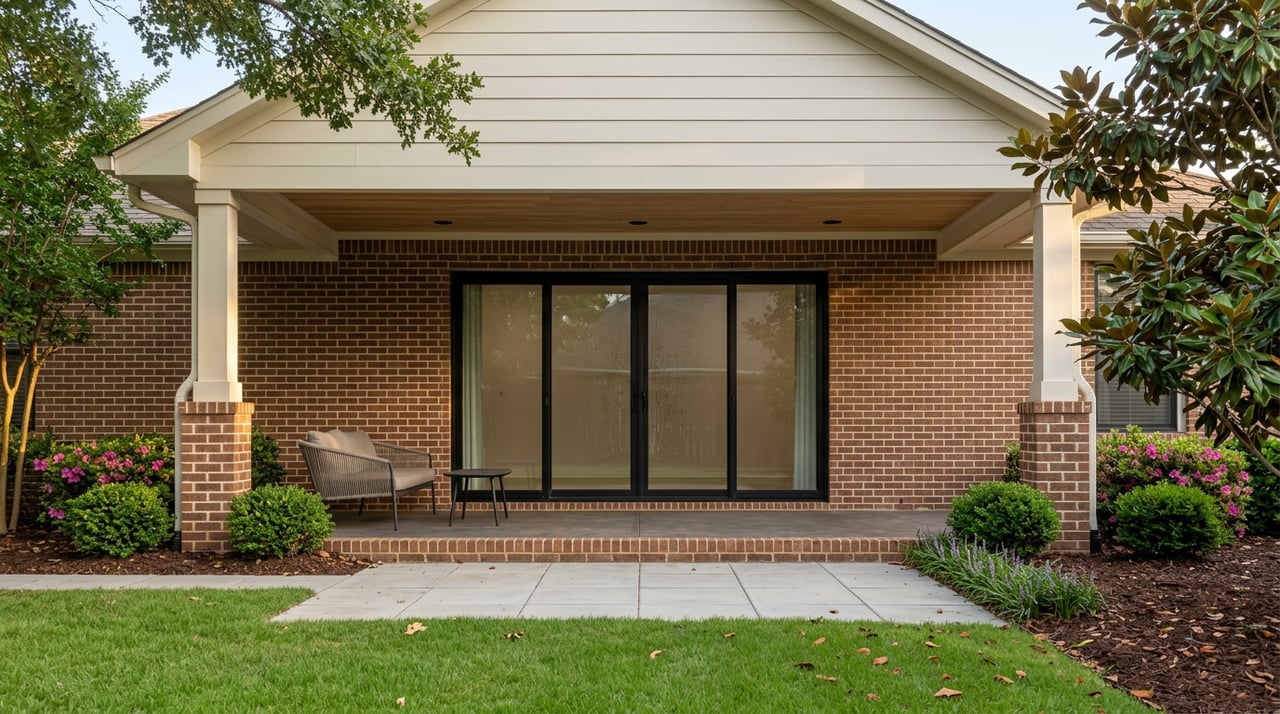
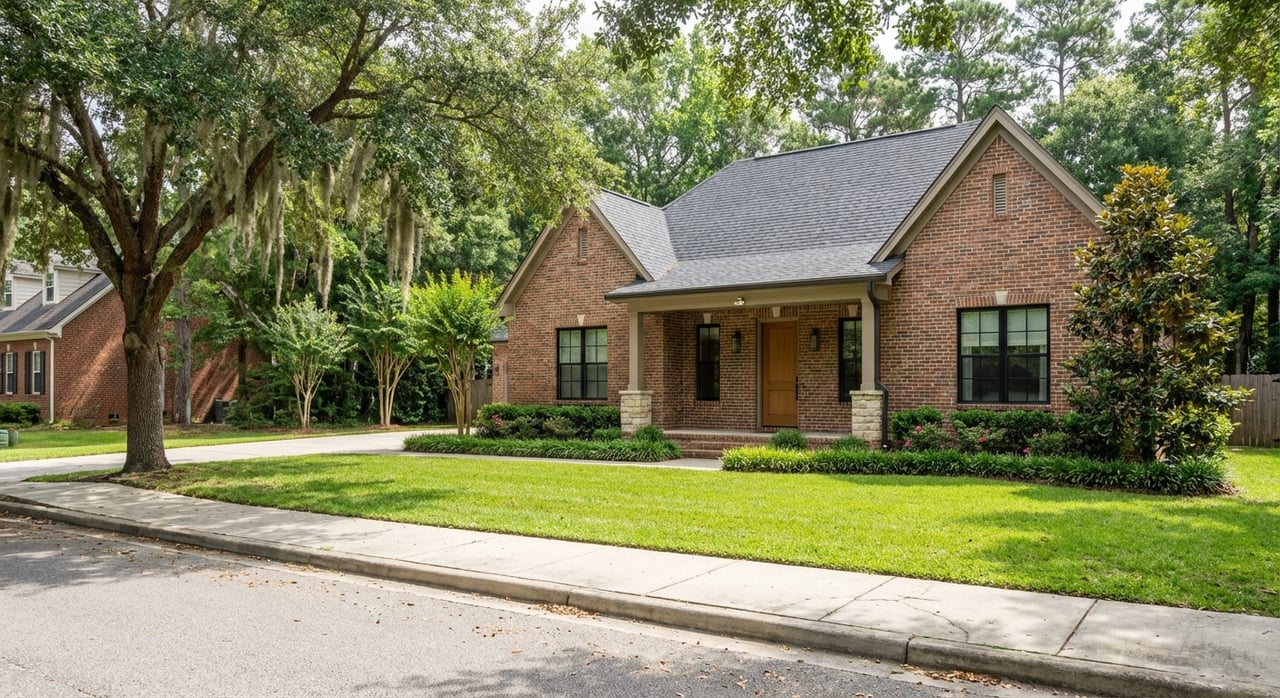




Discover why buyers and sellers trust Renee Grimes for expert real estate guidance. With over 20 years of experience, she ensures a seamless, personalized experience.