Understanding Madison Neighborhoods And Home Styles
March 24, 2026
March 24, 2026
Choosing a neighborhood in Madison can feel like trying to read a map without street names. You know what you want in a home, but matching that list to the right pocket of town is a challenge. In this guide, you’ll learn how Madison’s neighborhoods are organized, what home styles and lot sizes to expect, and the trade-offs around commutes, amenities, and HOAs. Let’s dive in.
Madison’s housing falls into a few clear patterns: lake and resort-style master plans, golf and club communities, established in-town brick subdivisions, new growth around Gluckstadt, historic/downtown pockets, and rural acreage on the edges. Each pattern brings its own style, lot size range, and access to daily needs. When you understand these patterns, it gets much easier to focus your search.
If you want a lake-centered lifestyle, Lake Caroline is a standout. The community features an expansive private lake, on-site pools, trails, boat access, and the Lake Caroline Golf Club. Homes range from low-maintenance lots to larger waterfront or estate sites, with HOA/POA structures that support common-area amenities. Learn more about the community’s features on the official Lake Caroline site.
Reunion blends resort-style amenities with a variety of home sites. You’ll find a championship golf course, clubhouse, lakes, trails, tennis, and even equestrian elements, along with a range of custom architecture and lot sizes. Expect HOA/POA covenants and separate country-club membership options for certain amenities. Explore the community’s background on the Reunion site.
Madison has several club-influenced neighborhoods where golf, tennis, and social amenities shape nearby home character. Annandale Golf Club, Whisper Lake Country Club, and Reunion are commonly referenced by the city’s lifestyle resources. These areas often include custom homes, gated sections, and optional club memberships alongside neighborhood covenants. For an overview of local clubs, see the city’s sports and fitness page.
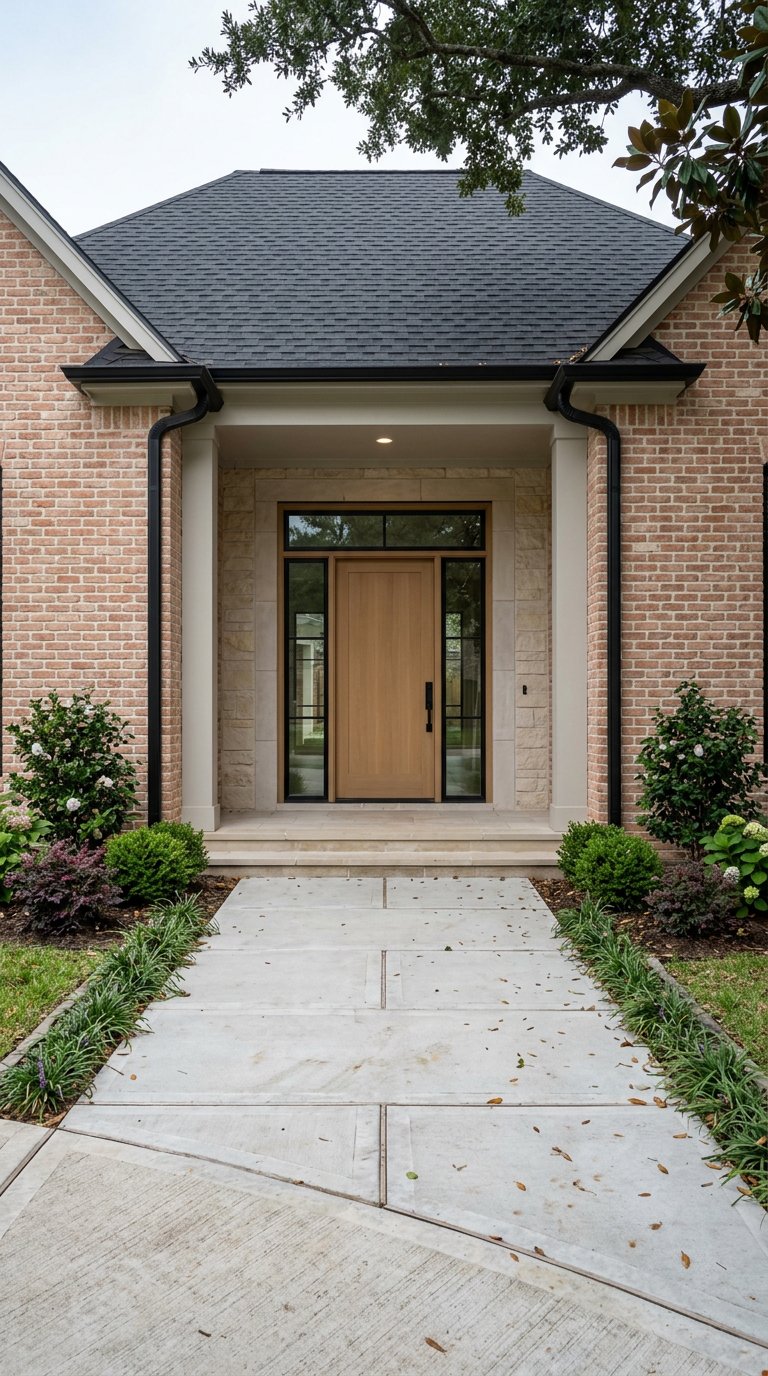
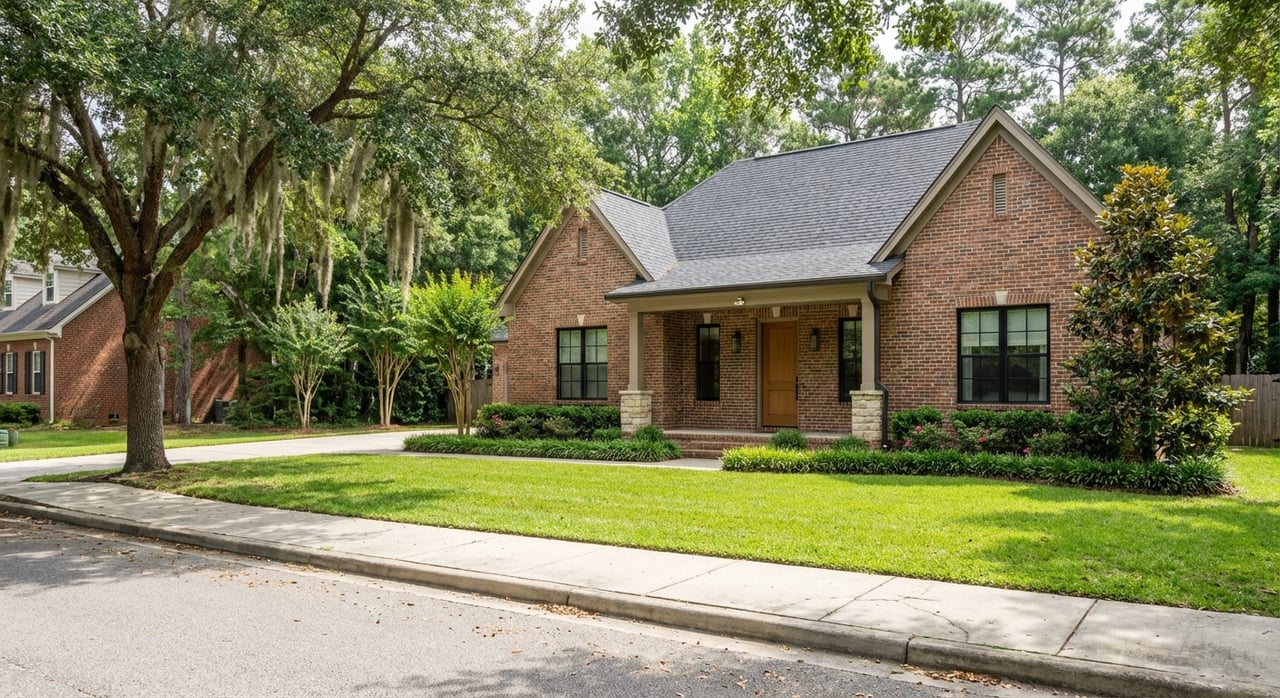
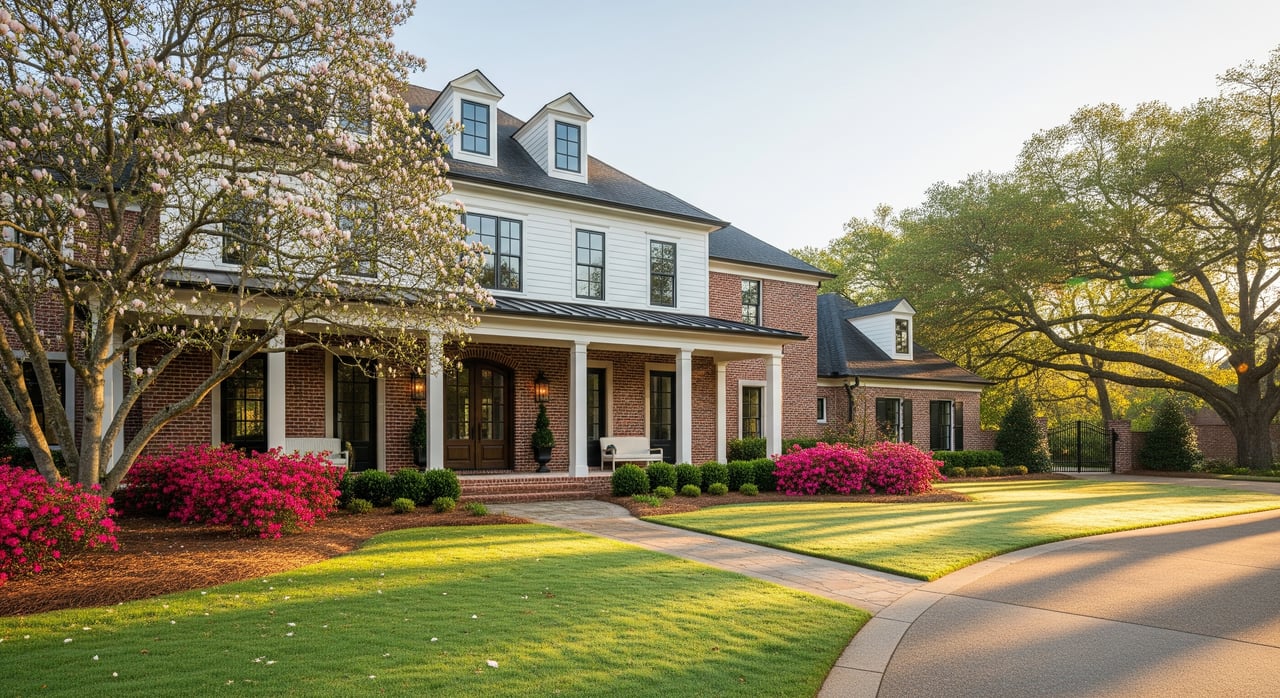
Closer to Highway 51 and Madison Avenue, you’ll find established neighborhoods with smaller lots and easy access to downtown services and retail. Communities like Peppermill Colony, Geneva Gardens, Cross Creek, Sherbourne, and Stonegate reflect this pattern. Many homes here were built from the 1970s through the 1990s, and brick exteriors are common throughout Madison. These areas appeal if you value convenience and a classic suburban feel.
The Gluckstadt, Stribling, and Catlett corridors are active growth zones with multiple new subdivisions and ongoing infrastructure improvements. Builders and engineering sources highlight new communities such as Thornberry and others in this corridor, with conventional lot sizes and fresh construction phases. You can see a representative project on the Thornberry subdivision page. Road work, including the Catlett/Stribling widening, is underway to improve access over time; expect short-term construction impacts and evolving traffic patterns as projects progress, as covered by local news.
Downtown Madison, Madison Station, and nearby streets offer older homes, smaller lots, and a more compact, walkable setting than farther-out subdivisions. These pockets sit near the historic depot area, local events, and small parks. If you like a neighborhood feel with easy access to greenspace, explore city parks like Strawberry Patch Park, Simmons Arboretum, and the Madison Station Botanic Garden listed on Madison’s parks page.
If you want wide-open space, privacy, or room for outbuildings, look toward the western and northern edges of the city and nearby county roads. Old Canton Road is a corridor where multi-acre properties are common. These areas trade subdivision amenities for land and flexibility; learn more about the Old Canton Road corridor from regional travel guides such as Natchez Trace Travel’s Old Canton Road info.
For a quick city-level snapshot, recent local guides have placed Madison’s median sale price around 385,000 and median list price near 431,800. These figures change with the market, so confirm current numbers before you make decisions. Your exact budget fit will vary based on neighborhood, lot size, age of home, and amenity access.
Most master-planned and club communities include an HOA or POA that manages common areas and design standards. Country-club amenities, where present, are typically separate from HOA dues and may be optional. Older in-town neighborhoods sometimes have no HOA. Always review the latest HOA/POA documents to confirm dues, covered amenities, design guidelines, and any rental or use restrictions.
Use this simple checklist to narrow your Madison search:
Whether you want lakefront living, a classic brick subdivision near downtown, or room to roam on acreage, you have solid options in Madison. A guided tour that matches your wish list to neighborhoods saves time and stress. If you’re weighing Madison against other Jackson-metro communities, you can get clear, practical advice and hands-on coordination for showings, inspections, and vendor quotes.
Call or text Renee Grimes to talk through your goals, plan a route, and see the homes that fit.

Discover why buyers and sellers trust Renee Grimes for expert real estate guidance. With over 20 years of experience, she ensures a seamless, personalized experience.