The Termite Letter That Can Stall Your Brandon Home Sale
August 27, 2026
Two days before closing, the lender's coordinator sends one line: the termite report isn't clear. The buyer's inspection already happened weeks ago. Everyone assumed that box was checked. It wasn't, because in Mississippi, the person who checked your attic and the person who checks for termites are two different professionals, licensed by two different state agencies, doing two different jobs.
That split is the part most closing checklists skip over, and it's exactly where Brandon sales lose a week they didn't have.
A Mississippi home inspection is a visual, non-invasive walkthrough of the house's systems and components. The person doing it is licensed by the state's Home Inspector Board, which sits under the Mississippi Appraisal Board. That inspector is not, by license or by scope, checking for wood-destroying insects.
The termite letter is a separate document called a Wood Destroying Insect Report, or WDIR, and it comes from a pest control operator licensed through the Bureau of Plant Industry at the Mississippi Department of Agriculture and Commerce. Different exam, different regulator, different report, and the state treats a WDIR that doesn't follow its own format as inaccurate or misleading on its face.
Most sellers hear "inspection" once and assume it covers everything. It doesn't. If your contract only schedules a general home inspection, nobody has looked for termites yet, and your lender may require that separate look before funding.
Mississippi Department of Agriculture and Commerce regulations require transaction reports to use a form prescribed and officially adopted by the Bureau. If your lender's paperwork template defaults to the national form, or if an out-of-state buyer's agent is used to seeing NPMA-33 language, that mismatch alone can trigger a delay while someone tracks down the correct Mississippi version.
This matters more than it sounds like it should, because the deadline that catches people isn't the inspection itself. It's the two or three days lost figuring out which form was supposed to be used in the first place.
The Mississippi WDIR is built around one honest limitation: if the inspector can't see it, it doesn't go on the report. The form doesn't require anyone to cut into walls, pull up flooring, or probe behind cabinets. It documents what's visible and accessible on the day of the inspection, nothing more.
That's not a loophole. It's the whole design of the report, and it's why a "clear" letter is a snapshot, not a guarantee. A home can pass its WDIR and still have activity behind a finished wall that nobody could have seen without demolition.
Two different people, two different licenses, one report you may need before closing. Neither of them is promising you a house that will never see a termite. They're promising you an honest look at what was visible that day.
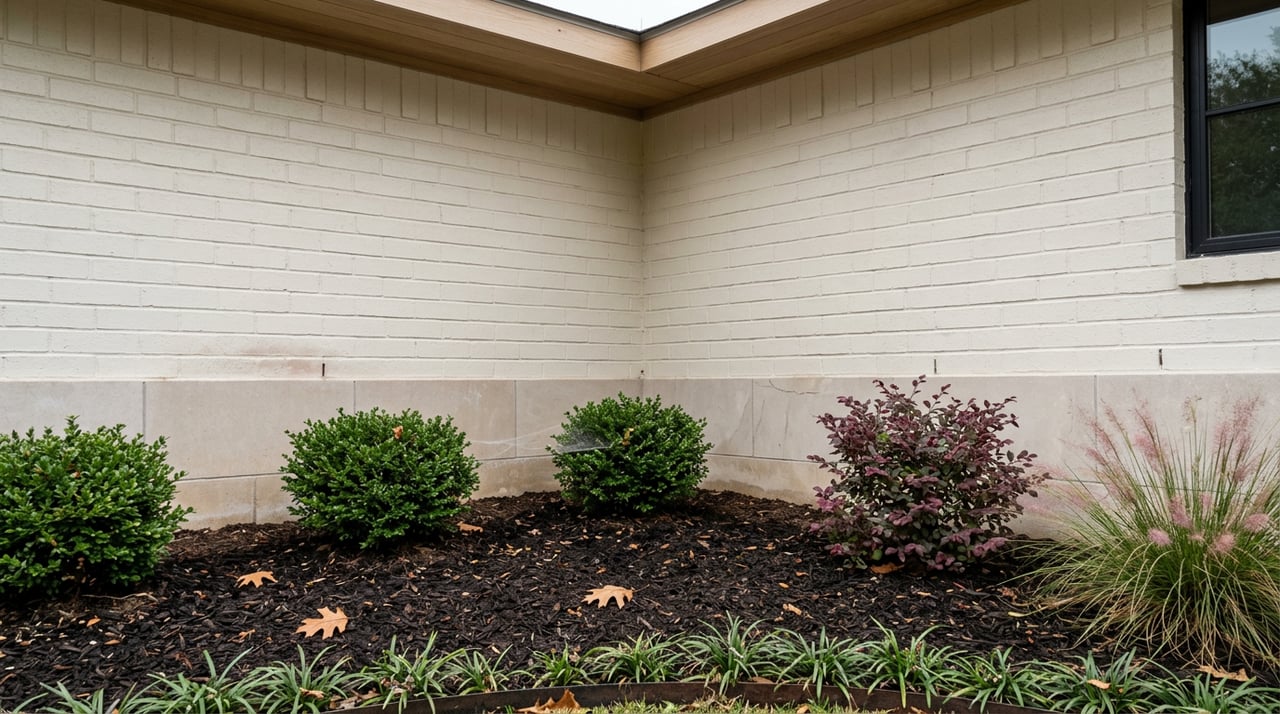
The state form doesn't just ask yes-or-no on infestation. It also requires the inspector to note "conducive conditions," meaning setups that make termite activity more likely even if none is visible yet. The ones named directly on Mississippi's form include:
Brandon's older, established subdivisions with mature trees and decades of landscaping layered on top of the original grade tend to collect exactly these conditions. A flower bed that's been topped off with fresh mulch every spring for twenty years, a foundation line where soil has crept up over the brick, a landscape timber border installed before anyone thought about termite clearance. None of that means a house has termites. It means the report is more likely to come back with a note attached, and a note means a conversation before closing, not after.
If you're preparing to list, walking the foundation line yourself before the pest control operator does saves you the surprise. Pull mulch back from the brick, clear any wood touching soil, and you've already fixed the easiest items on that list.
A report that isn't clear doesn't kill a deal. It opens a sequence. The sequence can involve scheduling treatment, waiting for the pest control company to complete it, and then getting a second inspection from that same company to confirm the work was done and issue an updated, clear letter. Each of those steps takes calendar days you may not have priced into your closing timeline.
This is also where a real disciplinary record from the Mississippi Home Inspector Board is worth knowing about, not because it's dramatic, but because it shows exactly how these disputes actually start. In one documented case, a home inspector looked at a rotted rim joist and told the buyers it was termite damage. When the buyers later brought in a licensed pest control operator to deal with the same area, that operator determined the wood was rotted from water, unrelated to termites, and that the damage was old. The home inspector's confident, unqualified call turned out to be the wrong call, and it became the center of the dispute.
The lesson isn't that inspectors are unreliable. It's that "looks like termite damage" and "is termite damage" are two different findings, made by two different licenses, and the gap between them is exactly where disputes get born. A good termite letter doesn't just say yes or no. It says what was seen, where it was seen, and what wasn't accessible to look at.
If you're getting ready to sell, order the WDIR early, not the week of your listing photos. If it comes back with a note, you have room to treat it on your timeline instead of the buyer's. If you're under contract as a buyer, read past the first page's yes-or-no box. The conducive conditions section and the list of inaccessible areas tell you more about the house's long-term maintenance than the checkbox does.
Either way, the report is a snapshot of one visible day, not a warranty. Treat it that way, and it stops being a surprise.
Does a clear termite letter mean the house has never had termites? No. It means no active infestation or visible damage was found on the day of the inspection. Past treatment, old damage that's already been repaired, or activity behind a wall wouldn't necessarily show up.
Who schedules the WDIR, buyer or seller? This is typically negotiated in the purchase contract, and either party can be responsible depending on what's agreed. What matters more than who schedules it is scheduling it early enough that a follow-up treatment and re-inspection can still happen before your closing date.
Is a termite letter required on every sale in Mississippi? Lenders vary, but FHA and VA loans commonly require one, according to Elite Inspections.
Selling a home in Brandon comes with a dozen small logistics like this one, the kind that don't show up until they're already a problem. That's the part of the process where having someone coordinate vendors, timelines, and paperwork on your behalf actually saves you a week.
Renee Grimes has spent more than 20 years managing exactly this kind of transaction detail for Rankin County sellers and buyers. Call or text Renee for a local market consultation before you list, and the surprises stay off your closing calendar.
This article is general information, not legal, tax or financial advice. Consult a qualified professional about your situation.






Discover why buyers and sellers trust Renee Grimes for expert real estate guidance. With over 20 years of experience, she ensures a seamless, personalized experience.